
JULY 28, 2026
How Storefront Glass Replacement Can Update Your Business Without a Full Remodel
A storefront glass upgrade is one of the cleanest ways to modernize a business without tearing apart the interior. Replacing dated display glass, updating the entrance, or opening up a dark front wall can change what customers see from the sidewalk while leaving the flooring, counters, walls, and basic layout alone.
For Sacramento business owners, R & R Glass Inc.’s commercial glass services include storefront windows, glass doors, partitions, custom glass designs, tempered glass, and Herculite systems. That makes glass a practical place to start when the space still functions well but the front no longer matches the business.
If the storefront is cracked, loose, broken, or damaged after a break-in, start with the company’s guide to storefront glass installation and repair in Sacramento. The makeover approach below is for a different situation: the storefront works, but it looks dated, closed off, or visually disconnected from what is happening inside.
What a Storefront Glass Upgrade Can Change
A full remodel makes sense when a business needs a new floor plan, major utility work, or structural alterations. It is harder to justify when the real problem is concentrated at the front of the space.
Customers usually notice the entrance, the condition of the glass, and how clearly they can see what the business is. A targeted project could replace selected panels, change the glass door, simplify the framing, or extend glass across part of the front. The point is to identify the few changes that will make the largest visible difference.
Start With the View From the Sidewalk
Before choosing materials, stand outside at the distance where customers first see the business. Look during normal hours and after dark if the business stays open in the evening.
Can people tell what happens inside? Is the entry easy to find? Are old decals, heavy framing, scratched glass, or blocked displays making the space feel closed?
The problem may be limited to one oversized frame, a dark entry door, or several worn panels. Replacing those elements could be enough to make the storefront feel cleaner and more current.
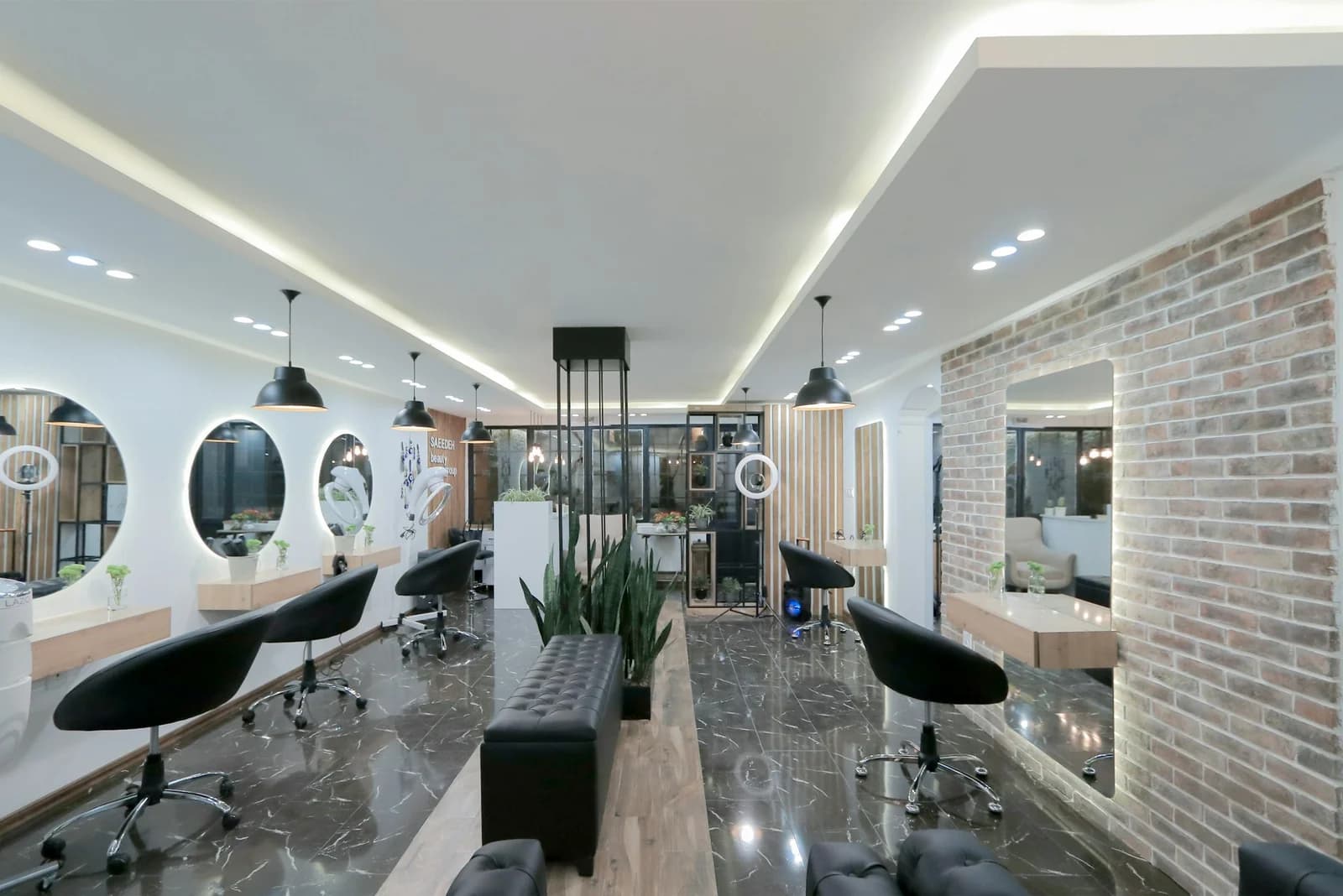
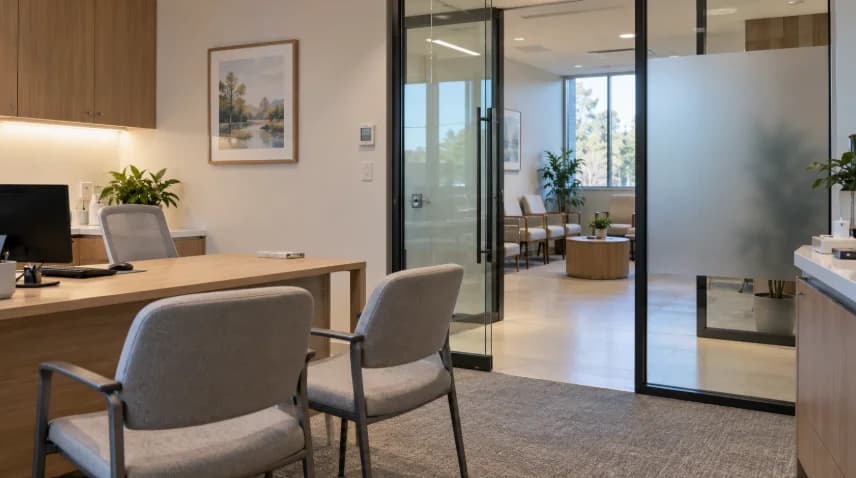
Visibility should still match the business. A boutique or showroom may want broad sightlines into merchandise displays. A salon may prefer openness near the reception area with more privacy farther inside. An office can use a clear entrance while placing glass partitions beyond it to keep the interior bright without exposing every desk to the sidewalk.
Let the Entry Set the New Direction
The entrance is usually the strongest candidate for an update because customers interact with it directly. A worn or visually heavy door can make the whole storefront feel older, even when the surrounding glass is in good condition.
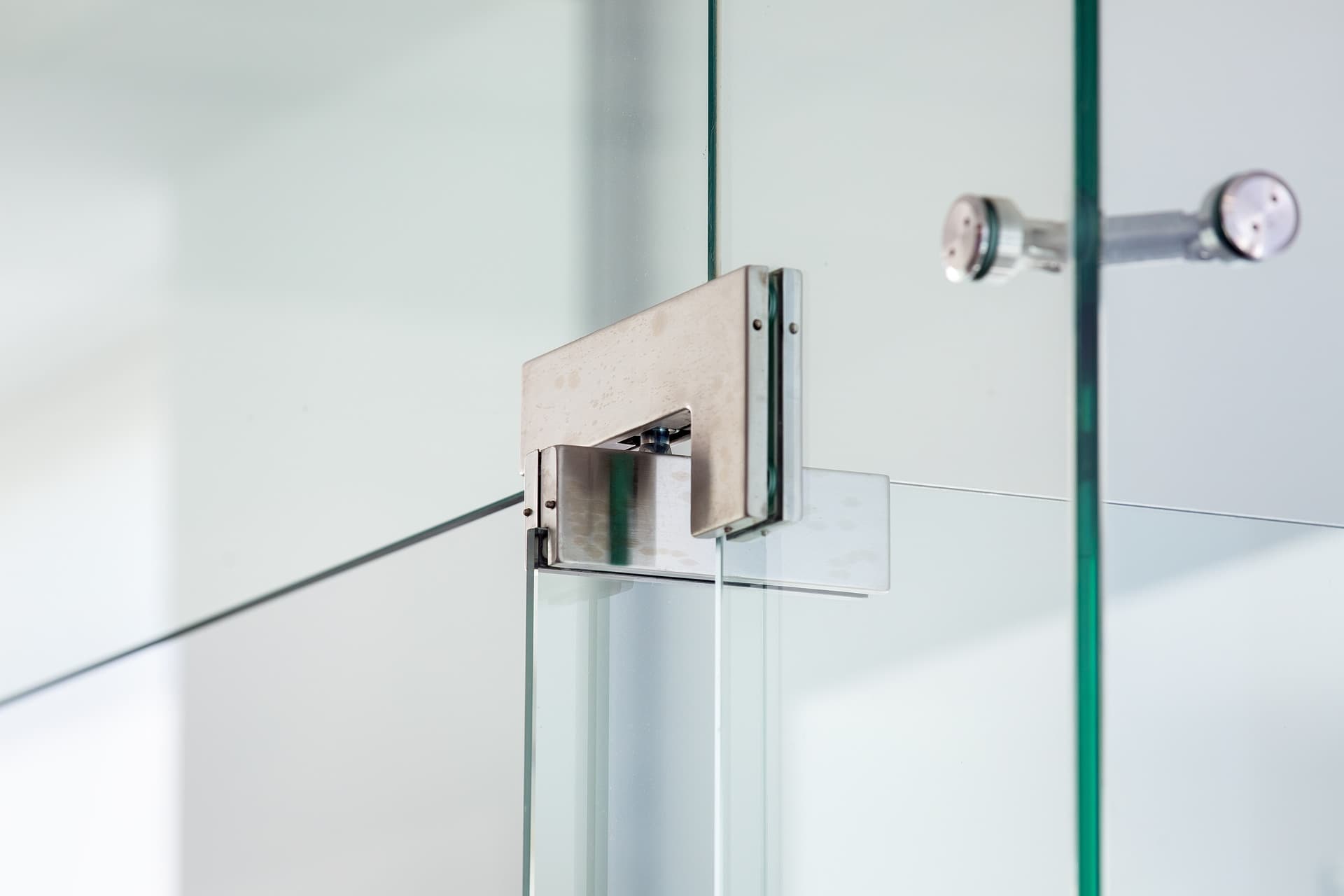
A new glass door or a cleaner glass entry system creates a more intentional focal point. For some commercial properties, a Herculite system gives the entrance a minimal, all-glass appearance. Other storefronts look better with a framed glass door that coordinates with the existing structure. The right choice depends on the opening, traffic, surrounding framing, and how the business uses the entrance.
This is also the point to think beyond appearance. Door changes need to preserve a usable entrance and account for applicable accessibility requirements. The U.S. Access Board’s guidance on entrances, doors, and gates explains issues such as clear opening width, maneuvering space, thresholds, and door operation. A storefront update should look better without making customer access worse.
Replace the Glass That Is Dating the Space
Not every panel needs to come out. Some storefronts have one damaged, heavily scratched, cloudy, or poorly matched section next to glass that still looks good. Selective replacement keeps the project focused and avoids disturbing parts of the facade that are doing their job.
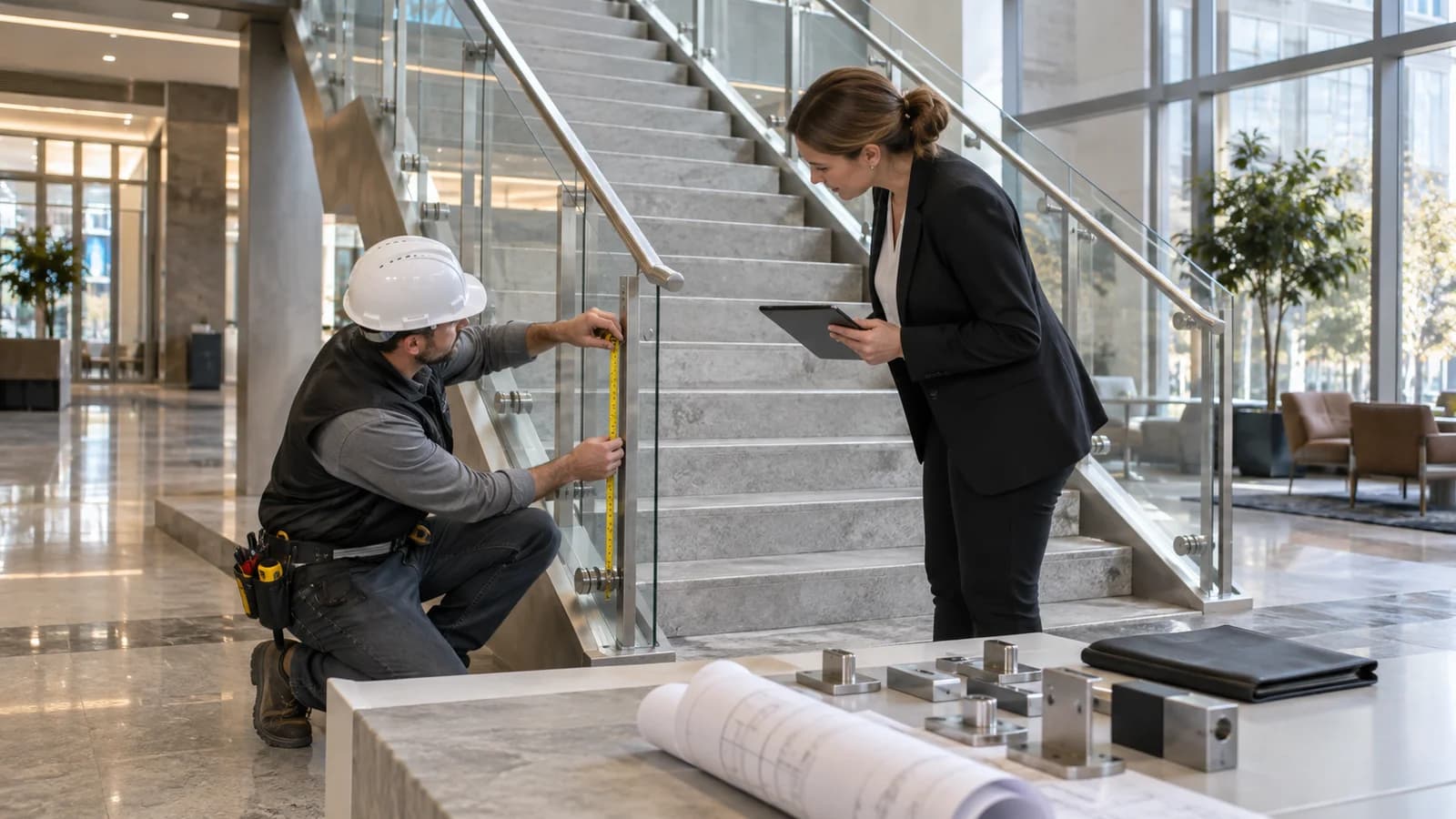
Matching matters. Differences in tint, reflectivity, thickness, or age can become obvious once a new panel sits beside older glass. A commercial glass installer should review the full elevation, not just measure the opening. The goal is for the replacement to look deliberate rather than patched in.
The framing deserves the same attention. New glass will not correct a frame that is bent, loose, badly deteriorated, or out of alignment. If the frame is sound but visually busy, a different door or glass configuration may simplify the appearance. If the frame has functional problems, the project may need a broader scope than a cosmetic panel replacement.
Use Interior Glass to Carry the Makeover Inside
The storefront does not have to do all the work. Once customers enter, a glass wall or partition can continue the brighter, more open feeling without requiring a new floor plan.
This works well in offices, studios, salons, retail service businesses, and reception areas where the front feels cramped or disconnected. Replacing a solid divider with glass can preserve separation while allowing light and visibility to travel farther inside.
It also connects an updated entrance to the space beyond it. Customers see a more consistent environment instead of walking through a modern glass storefront into a dark corridor or boxed-in reception area.
Keep the Makeover Focused
A storefront project starts to resemble a full remodel when every design issue gets added to the scope. Before expanding the work, separate the changes that affect customer perception from the ones that are simply nice to have.
A focused plan might prioritize:
- The front door and immediate entry
- One mismatched or worn glass section
- A blocked sightline into the main customer area
- An interior partition that stops natural light
- Glass that no longer fits the current branding or use of the space
Signage, paint, lighting, displays, and window coverings should be considered at the same time, even if they are handled by other vendors. New glass will expose whatever sits behind it. If storage boxes, temporary signs, or tangled cords remain directly in view, the storefront may still feel unfinished.
It is also worth deciding how much visibility the business actually wants before ordering glass. Clearer is not automatically better for every room. Customer-facing spaces may benefit from openness, while treatment rooms, employee work areas, or storage zones require a more controlled view.
Plan the Work Around Business Operations
A storefront glass upgrade affects an active entrance, so scheduling matters. A business owner should discuss access, customer traffic, deliveries, alarm contacts, and any periods when the opening cannot be disturbed.
Ask what must be measured in advance, if any part of the opening will need temporary security, and which surrounding materials must remain. For leased property, confirm the landlord’s approval process. Shopping centers and managed properties may also set requirements for work hours, insurance documentation, and contractor coordination.
Discussing those limits during the estimate reduces the chance that a targeted update turns into a disruptive construction project.

Is a Storefront Glass Upgrade Enough?
A glass-focused makeover is a strong fit when the space is structurally sound, the layout works, and the main problem is the appearance or function of the front elevation. It is less suitable when there is extensive water damage, failing framing, structural movement, or a layout that no longer supports the business.
The simplest test is this: would customers see the business differently after improving the entrance, sightlines, and visible glass? If so, there may be no reason to rebuild the entire interior.
R & R Glass Inc. provides commercial glass installation, repair, and custom glass work for Sacramento-area businesses. To find out which parts of an existing storefront are worth keeping and which changes would create the strongest update, contact R & R Glass Inc. for a free estimate. A site review will give you a clearer scope than trying to plan the makeover from photos alone.
Explore Our Glass Services
Ready to bring your project to life? R & R Glass Inc. installs custom glass solutions for homes and businesses throughout Sacramento.